The Top 5 Strategies for Boosting Gambling Niche Websites with Backlinks

Image by Freepik

The Top 5 Strategies for Boosting Gambling Niche Websites with BacklinksIn the vast and competitive landscape of online gambling, establishing a prominent and authoritative presence is paramount for success. One powerful tool that can significantly enhance the performance of gambling niche websites is the strategic use of backlinks. In this article, we explore the top five ways backlinks can elevate the standing of gambling websites and contribute to their success in this dynamic industry.

1) Building Credibility through Quality Backlinks:

Quality backlinks from reputable and authoritative sources serve as a vote of confidence in the eyes of search engines. When high-profile websites within the gambling niche link back to your content, it signals to search engines that your website is a trusted and valuable resource. This boost in credibility can lead to improved search engine rankings, making it easier for potential users to discover and engage with your site.

2) Enhancing Search Engine Optimization (SEO):

Backlinks are a crucial component of any robust SEO strategy. Search engines, such as Google, consider the quantity and quality of backlinks when determining the relevance and authority of a website. Gambling niche websites that strategically incorporate backlinks from relevant and reputable sources are more likely to climb the search engine rankings, increasing visibility and attracting a larger audience. This, in turn, translates into higher organic traffic and improved overall performance.

3) Driving Targeted Traffic:

Backlinks not only contribute to improved SEO but also act as pathways for targeted traffic. When your gambling website is linked from other sites within the niche, it attracts users who are already interested in the subject matter. These visitors are more likely to engage with your content, explore your offerings, and potentially convert into active users. The targeted nature of the traffic garnered through strategic backlinking enhances the overall performance metrics of the website.

4) Establishing Authority in the Gambling Niche:

Backlinks play a pivotal role in establishing your website as an authority within the gambling niche. When industry influencers, reputable blogs, or leading platforms link to your content, it signifies that your website is a go-to resource in the field. This not only boosts your credibility but also positions your site as an authoritative voice, capable of providing valuable insights and information. Users are more likely to trust and engage with a website that is perceived as an authority within the gambling niche.

5) Fostering Community Engagement and Partnerships:

Strategic backlinking is not just about quantity; it’s also about fostering meaningful connections within the gambling community. By establishing partnerships with other reputable websites, forums, and influencers through backlinks, you create a network that benefits all parties involved. Collaboration can lead to shared audiences, cross-promotion, and the exchange of valuable insights. This interconnected web strengthens the overall presence of gambling niche websites and contributes to a thriving and supportive community.

Conclusion:

In the competitive realm of online gambling, the strategic use of backlinks emerges as a powerful catalyst for success. From building credibility and enhancing SEO to driving targeted traffic and establishing authority within the niche, the benefits of backlinking are manifold. Gambling niche websites that incorporate these strategies not only climb the search engine rankings but also foster community engagement and partnerships, creating a robust foundation for sustained success in this dynamic industry.

Photo: Freepik

What Is The Definition of a Casino Whale?

Image by pikisuperstar on Freepik

What Is The Definition of a Casino Whale?In the glamorous world of casinos, there exists a unique and mysterious figure known as the “casino whale.” This enigmatic character is not a marine creature, but rather a high-stakes gambler who frequents the lavish settings of casinos, leaving an indelible mark on the gambling industry. In this article, we delve into the depths of the casino realm to unravel the definition, characteristics, and impact of a casino whale.

Understanding the Terminology:

The term “whale” in the context of casinos might initially conjure images of majestic marine mammals. However, in the casino lexicon, a whale is a colloquial term used to describe an exceptionally wealthy and high-rolling gambler. These individuals are not mere patrons; they are the high-stakes players who wager staggering amounts of money, often far surpassing the financial capacities of the average casino-goer.

1) Distinctive Characteristics of a Casino Whale:

High Financial Capacity:
Casino whales are distinguished by their immense financial resources such a Allan Erlick ‘The Mattress King’ seen on the TV documentary Gambling In Las Vegas presented by Louis Theroux. These players have the means to place bets that can make or break a casino’s day. The term “whale” itself implies a level of financial capability that allows these individuals to navigate the ocean of high-stakes gambling without fear of drowning.

2) Exclusive Treatment:
Casinos treat whales with a level of exclusivity that matches their financial stature. VIP lounges, private gaming rooms, and personalized services are just a few of the perks bestowed upon these high-rolling players. The goal is not only to cater to their gambling preferences but also to create an environment that ensures their continued patronage.

3) Risk Appetite:
Unlike the average gambler who may approach the casino floor with caution, whales are known for their high-risk appetite. The thrill of placing enormous bets and the potential for significant wins drive these individuals to seek out the most exclusive and high-stakes games.

Impact on Casinos:

1) Revenue Boost:
Casino whales can single-handedly influence a casino’s revenue stream. Their substantial wagers contribute significantly to the overall income of the establishment. In many cases, the presence of a whale can turn a slow day into a lucrative one for the casino.

2) Compensation and Incentives:
To retain the loyalty of these high-stakes players, casinos offer lucrative incentives and compensation packages. Complimentary accommodations, fine dining experiences, luxury transportation, and even personalized gifts are common offerings to keep whales coming back for more.

3) Vulnerability to Swings:
While the presence of whales can be a boon to casinos, it also exposes them to financial volatility. The outcome of a few high-stakes bets can significantly impact the casino’s profitability, making them vulnerable to the unpredictable nature of high-roller gambling.

Conclusion:

In the intricate tapestry of the casino world, the casino whale stands out as a fascinating and influential player. Defined by immense financial capacity, a penchant for high-risk gambling, and a taste for exclusive treatment, these individuals leave an indelible mark on the industry. Casinos, in turn, court these high-rolling players with personalized services and incentives, recognizing the symbiotic relationship that exists between them. The casino whale remains a captivating figure, contributing to the allure and excitement of the gambling realm.

Photo: Freepik

The Art of Caution: 5 Times You Should Never Bluff in Poker

Image by Freepik

The Art of Caution: 5 Times You Should Never Bluff in Poker

Poker is a game of skill, strategy, and psychology, with bluffing being a crucial element of the game. However, there are times when attempting to deceive your opponents can backfire, leading to disastrous consequences. In this article, we explore five situations where bluffing should be approached with extreme caution, if not avoided altogether.

1) Against Novice Players:

Bluffing against inexperienced opponents may seem like a tempting prospect, but it can be a double-edged sword. Novice players often lack the ability to read subtle cues and may not be familiar with common bluffing strategies. Consequently, attempting to bluff them may be ineffective, as they might not grasp the concept or simply call your bets without understanding the strength of their own hand. In such situations, it’s wiser to rely on the strength of your cards rather than attempting to outwit opponents who may not be playing strategically.

2) During High-Stakes Tournaments:

High-stakes poker tournaments are a different ball game altogether. Players participating in these events are often seasoned professionals with a keen understanding of the game and a mastery of psychological warfare. Bluffing during high-stakes situations can lead to significant losses, as skilled opponents are more likely to sniff out your deceptive maneuvers. In these intense settings, it’s crucial to assess the risk versus reward and exercise restraint in bluffing, preserving your chips for opportune moments.

3) When You Lack a Read on Your Opponents:

Successful bluffing often relies on your ability to read your opponents and anticipate their reactions. Bluffing becomes perilous when you find yourself at a table with unfamiliar players whose playing styles and tendencies are unknown to you. Without a proper read, your bluff may fall flat, and you risk losing chips unnecessarily. It’s essential to gather information about your opponents before attempting any significant bluffs, ensuring you have a solid foundation to base your decisions on.

4) Facing Tight, Conservative Players:

Tight, conservative players are known for playing a narrow range of strong hands. Bluffing against these opponents is often futile, as they are more likely to fold weaker hands and only call or raise with powerful holdings. Attempting to bluff a player who rarely deviates from premium hands can lead to disastrous consequences, with your bluffs being quickly sniffed out. Instead, focus on extracting value when you have a strong hand against these opponents, as they are more likely to pay off with their superior holdings.

5) When the Board Screams Strength:

Paying attention to the community cards is paramount in poker, and there are times when the board itself sends a clear message about the strength of your opponent’s hand. If the community cards create a potential flush or straight, or if there are three cards of the same suit, bluffing becomes a risky proposition. Experienced players will recognize these situations as potential powerhouse hands for their opponents, making it unwise to attempt a bluff when the board heavily favors strong holdings.

In conclusion, while bluffing is an integral part of poker, knowing when to exercise caution is equally important. Avoiding bluffs in certain situations can prevent unnecessary losses and maintain your strategic advantage at the poker table. As with any aspect of poker, a keen understanding of your opponents, the game dynamics, and proper timing will contribute to a successful and profitable poker strategy.

Photo: Freepik

Mastering the Mind: The Top 5 Psychological Strategies of Poker’s Elite

Image by rawpixel.com on FreepikMastering the Mind: The Top 5 Psychological Strategies of Poker's ElitePoker, often hailed as a game of skill, strategy, and psychological prowess, has captivated players around the globe. Beyond the cards and chips, the best and most famous poker players have honed a set of psychological strategies that set them apart from the competition. In this article, we delve into the minds of poker’s elite to uncover the top five psychological strategies that contribute to their success.
1. Emotional Control: The Poker Face Legacy

Mastering emotional control is a hallmark of the best poker players. Renowned for their stoic expressions and unreadable faces, these players have elevated the poker face to an art form. The ability to mask emotions prevents opponents from gaining insights into their thoughts and intentions. Whether dealt a favorable hand or facing adversity, top players maintain composure, making it challenging for adversaries to exploit weaknesses or predict their moves.

Emotional control extends beyond concealing reactions to cards. It involves managing frustration after a bad beat and curbing excitement when holding a winning hand. By maintaining a consistent demeanor, elite poker players create an aura of unpredictability, keeping opponents on edge and unsure of their next move.

2. Reading Opponents: The Art of Observation

Successful poker players are skilled observers, adept at reading the subtle cues and behaviors of their opponents. This psychological strategy involves paying attention to details such as body language, betting patterns, and even the timing of decisions. By developing a keen sense of observation, players can gain insights into the strengths and weaknesses of those sharing the table.

Reading opponents allows elite poker players to make informed decisions based on more than just the cards in hand. A slight twitch, a hesitation, or a change in breathing can signal the strength or vulnerability of an opponent’s hand. This psychological acumen gives top players a significant edge, helping them navigate the complexities of each hand with precision.

3. Bluffing: The Art of Deception

At the heart of poker lies the art of bluffing, a psychological strategy that separates the great from the good. Bluffing involves creating a false narrative about the strength of one’s hand to manipulate opponents into making suboptimal decisions. The best poker players excel at blending truth and deception, making it nearly impossible for adversaries to discern reality from illusion.

Successful bluffers leverage their table image, previous actions, and knowledge of opponents to execute well-timed bluffs. By creating doubt and uncertainty in the minds of others, top players control the narrative of the game. However, the art of bluffing requires finesse, as mistimed bluffs can lead to substantial losses. The psychological dance of deception adds an extra layer of excitement to the poker table.

4. Patience: The Virtue of Timing

Patience is a virtue that resonates profoundly in the world of poker. Elite players understand the ebb and flow of the game, recognizing when to be aggressive and when to exercise restraint. This psychological strategy involves biding one’s time, waiting for the opportune moment to strike and capitalize on opponents’ mistakes.

By exhibiting patience, top poker players create an air of unpredictability. Opponents struggle to discern whether a player is laying low with a weak hand or simply waiting to unleash a calculated assault. This strategic patience allows players to maximize their gains when the right opportunities present themselves, contributing significantly to long-term success.

5. Adaptability: The Key to Longevity

In the dynamic landscape of poker, adaptability is a critical psychological strategy embraced by the best players. Successful poker careers span years, if not decades, and the ability to evolve with the game is paramount. This strategy involves staying abreast of trends, adjusting to opponents’ playing styles, and incorporating new strategies into one’s arsenal.

Adaptable players thrive in various poker formats, whether it be cash games, tournaments, or online play. They are quick to recognize shifts in the meta-game, staying ahead of the curve and maintaining a competitive edge. This psychological flexibility ensures that top poker players remain formidable contenders in an ever-evolving landscape.

In conclusion, the best and most famous poker players have mastered a set of psychological strategies that extend beyond the cards they hold. Emotional control, the ability to read opponents, the art of bluffing, patience, and adaptability are the cornerstones of their success. Aspiring players can draw inspiration from these psychological insights, understanding that true mastery of poker involves not only a deep understanding of the game but also a profound understanding of the human mind at the table.

Photo: Freepik

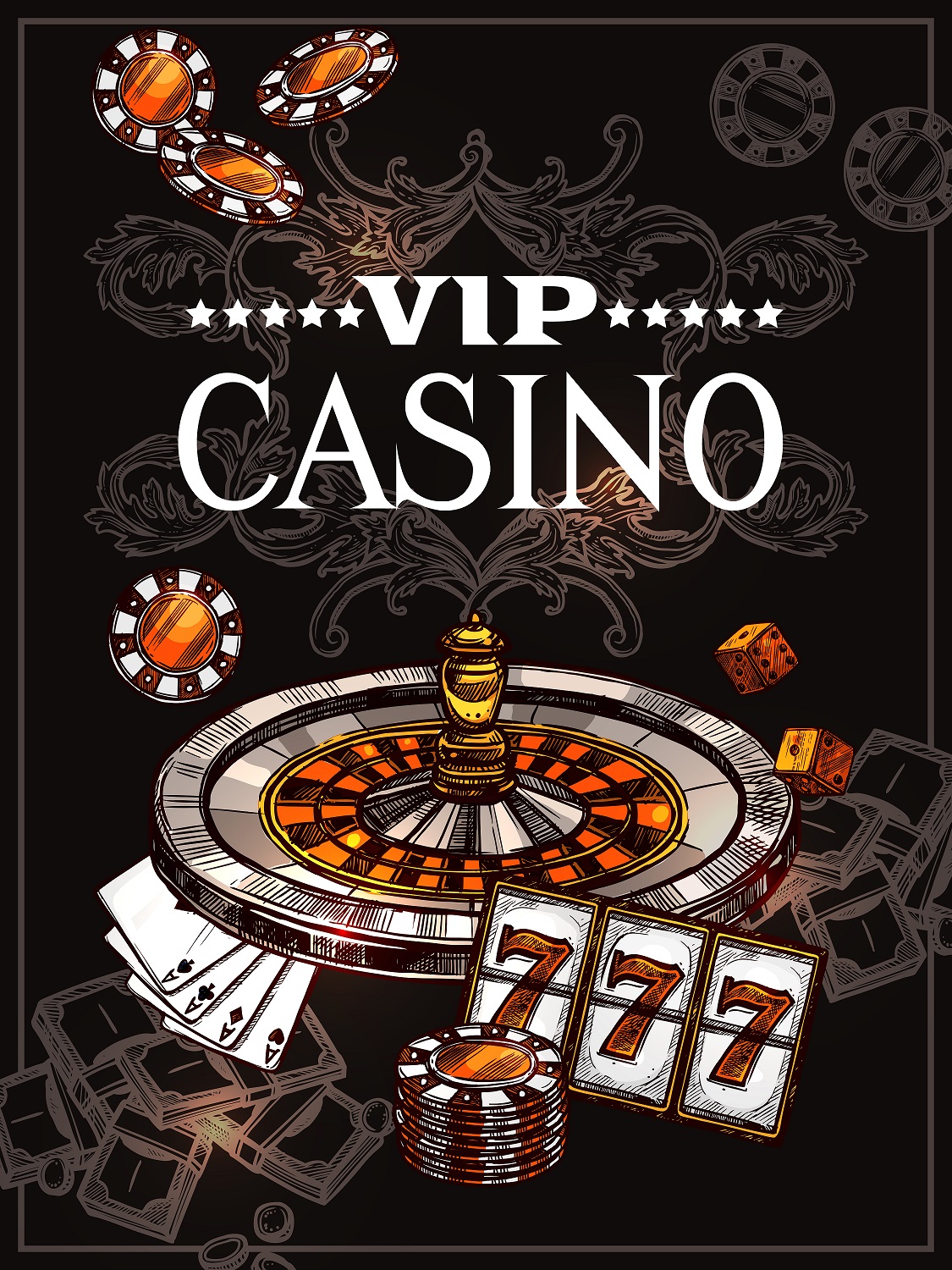
How Do Casinos Attract High-Roller Gamblers (Whales)?

Image by macrovector_official on Freepik

How Do Casinos Attract High-Roller Gamblers (Whales)? Casinos employ various strategies to attract high-roller gamblers, often referred to as “whales,” who are known for their substantial gambling budgets. Here are some common tactics:

1) VIP Treatment:

Exclusive Access: Casinos offer VIP lounges, private gaming rooms, and exclusive areas for high-rollers.
Personalized Services: Providing dedicated hosts, private concierge services, and personalized attention to meet the specific needs of high-rollers.

Luxurious Accommodations:

2) Complimentary Suites:

Offering free or heavily discounted luxury suites and accommodations for high-rollers.
Limousine Services: Providing chauffeured transportation in luxury vehicles.

Fine Dining and Entertainment:

3) Gourmet Dining:

Complimentary access to high-end restaurants with fine dining experiences.
Show Tickets: Offering free or discounted tickets to popular shows, concerts, and entertainment events.

Comp Programs:

4) Complimentary Perks:

Providing complimentary meals, drinks, and other perks to high-rollers.
Cashback and Rebates: Offering cashback incentives, rebates on losses, or other financial incentives.

Exclusive Events:

5) Invitations to Special Events:

Extending invitations to exclusive parties, events, and tournaments.
Celebrity Interaction: Providing opportunities for high-rollers to interact with celebrities and public figures.

6) Private Jet Services:

Arranging private jet transportation for high-rollers to and from the casino.

7) High Betting Limits:

Offering high betting limits on casino games to accommodate the substantial wagers of high-rollers.
Regarding brokers who cater to high-rollers in Las Vegas, specific information about individual brokers may not be readily available to the public. Brokers who work with high-rollers often maintain a level of discretion and confidentiality. If you are interested in such services, it is recommended to contact reputable casinos directly or engage with industry professionals who specialize in VIP client services within the gaming and hospitality sector.

Keep in mind that the information available about specific brokers and their clientele may be limited due to privacy concerns and the confidential nature of high-roller relationships in the casino industry.

Photo: Freepik