
admin

5 Things to Avoid Doing in Las Vegas for a Smooth Vacation

Image by freepik

5 Things to Avoid Doing in Las Vegas for a Smooth VacationLas Vegas, famously dubbed “Sin City,” is a mesmerizing destination that dazzles visitors with its vibrant nightlife, world-class entertainment, and extravagant casinos. However, amid the glitz and glamour, there are pitfalls that can turn your dream vacation into a nightmare. To ensure your trip to Las Vegas is unforgettable for all the right reasons, here are five things to avoid doing:

1) Don’t Overspend:

It’s easy to get caught up in the excitement of Las Vegas and lose track of your budget. The city is designed to tempt you with its luxurious accommodations, gourmet dining, and endless entertainment options. However, indulging too much can lead to financial stress once the vacation ends. Set a daily gambling budget and stick to it. Consider using cash instead of credit cards to prevent overspending. Take advantage of free attractions and entertainment options to balance out your expenses and look for free upgrades.

2) Avoid Ignoring Safety Precautions:

While Las Vegas is generally a safe destination for tourists, it’s essential to remain vigilant, especially in crowded areas like the Strip. Pickpocketing and petty theft can occur, so keep your belongings secure at all times. Avoid walking alone in dimly lit or deserted areas, particularly at night. If you plan to drink alcohol, do so responsibly and never leave your drink unattended. Familiarize yourself with your hotel’s emergency procedures and contact information in case of any unforeseen circumstances.

3) Don’t Underestimate the Desert Climate:

Las Vegas is situated in the Mojave Desert, which means it experiences scorching summers and chilly winters. Many visitors underestimate the desert climate and end up suffering from dehydration or sunburn. Always carry a water bottle and stay hydrated, especially if you plan to spend time outdoors. Apply sunscreen liberally and wear protective clothing to shield yourself from the sun’s harmful rays. Seek shade whenever possible, and avoid prolonged exposure during the hottest parts of the day.

4) Avoid Overbooking Your Itinerary:

With so much to see and do in Las Vegas, it’s tempting to cram your itinerary with non-stop activities. However, overbooking can lead to burnout and prevent you from fully enjoying each experience. Instead, prioritize your must-see attractions and allow for plenty of downtime to relax and recharge. Don’t be afraid to skip the crowds and explore off-the-beaten-path destinations like the Neon Museum or Red Rock Canyon. Pace yourself and savor each moment to make the most of your Las Vegas adventure.

5) Don’t Disrespect Local Customs and Etiquette:

Las Vegas is a melting pot of cultures and backgrounds, and it’s essential to respect local customs and etiquette during your visit. While the city has a reputation for wild parties and indulgence, remember that not everyone shares the same values or beliefs. Avoid disruptive behavior in public spaces, and be mindful of noise levels, particularly in hotel corridors late at night. Tipping is customary in Las Vegas, so remember to tip service staff, from hotel maids to casino dealers, for their hard work and hospitality.

In conclusion, by avoiding these common pitfalls, you can ensure a smooth and enjoyable vacation experience in Las Vegas. Stay within your budget, prioritize safety, respect the desert climate, pace yourself, and embrace local customs. With careful planning and consideration, your trip to Sin City is sure to be a memorable one for all the right reasons.

Photo: Freepik
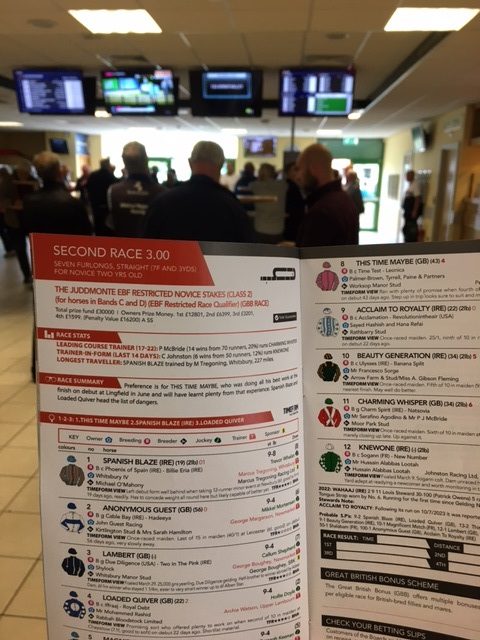
What Is A Racecard | How Do You Read A Race Card?

What Is A Racecard | How Do You Read A Race Card? Race cards are essential tools for horse racing enthusiasts and bettors alike, providing a comprehensive overview of the day’s races and the competing horses. Understanding how to read a race card is crucial for making informed betting decisions and enjoying the sport to its fullest. Here are five key points to demystify race cards and unlock their potential:

1) Race Information:

At the top of a race card, you’ll find essential details about the race, including the race number, distance, surface (such as turf or dirt), and any specific conditions (e.g., age or gender restrictions, eligibility criteria). This section provides a snapshot of what to expect from the race and helps bettors identify races that align with their preferences or betting strategies.

2) Horse Entries:

The heart of the race card lies in the entries section, where each competing horse is listed along with vital information. This typically includes the horse’s name, post position (starting gate number), weight carried, jockey, and trainer. Additionally, you’ll find the horse’s recent performance history, such as its finishes in previous races, the distances it has raced, and the surfaces it has competed on. Evaluating this information allows bettors to assess each horse’s form, suitability for the race conditions, and potential for success.

3) Morning Line Odds:

Race cards often feature morning line odds for each horse, which are the initial estimated odds set by the track’s oddsmaker or handicapper. These odds give bettors a sense of how the betting public is expected to perceive each horse’s chances of winning. While morning line odds can serve as a useful reference point, they are not definitive and may fluctuate based on betting activity leading up to the race. Bettors should consider the morning line odds in conjunction with their own analysis and intuition when making betting decisions.

4) Race Analysis and Insights:

Many race cards include additional analysis and insights provided by experts or handicappers. This commentary may offer valuable perspectives on the race, including potential pace scenarios, notable contenders, and strategic considerations. While not all race cards include this feature, it can be a valuable resource for bettors seeking additional context and guidance. However, it’s essential to interpret race analysis critically and supplement it with your own research and analysis.

How To Read A Horse Racecard

5) Betting Options and Exotics:

Race cards typically outline the various betting options available for each race, ranging from straightforward win, place, and show bets to more exotic wagers like exactas, trifectas, and superfectas. Exotic wagers involve predicting the order of finish for multiple horses and offer the potential for higher payouts but require a higher degree of skill and risk. Understanding the betting options available and how to structure bets effectively is key for maximizing potential returns while managing risk and even become a professional gambler.

In conclusion, race cards serve as indispensable tools for horse racing enthusiasts and bettors, providing a wealth of information and insights to inform betting decisions and enhance the racing experience. By mastering the art of reading race cards and interpreting the wealth of information they contain, bettors can navigate the complexities of horse racing with confidence and precision, unlocking the thrill and excitement of the sport.

Photo: JC 2024

5 Key Factors to Consider When Deciphering Horse Racing Form

5 Key Factors to Consider When Deciphering Horse Racing FormHorse racing is a sport where success often hinges on the ability to interpret past performances, known as form. Understanding the nuances of form is crucial for bettors seeking to make informed decisions and gain an edge in the wagering markets. While there are numerous factors to consider, here are five key elements to evaluate when assessing horse racing form.

1) Recent Performance:

The most immediate indicator of a horse’s form is its recent performances. Examining its finishing positions, margin of victory or defeat, and the quality of competition faced provides valuable insights into its current condition. A horse that has consistently finished in the top positions in recent races is likely to be in good form, while one that has been struggling or underperforming may be facing obstacles or experiencing a decline in form. Paying attention to the horse’s performance in its last few outings can help bettors gauge its current level of competitiveness.

2) Class and Competition:

The level of competition a horse has faced in previous races is another critical factor to consider. Races are typically classified based on factors such as the horse’s age, sex, and previous performance. A horse that has been competing successfully at a higher class level may have a competitive advantage when dropping down to a lower class race. Conversely, a horse moving up in class may face stiffer competition and could struggle to replicate its previous successes. Understanding the dynamics of class and competition allows bettors to assess a horse’s chances more accurately.

3) Track and Distance Preferences:

Some horses perform better on certain types of tracks such as Great Yarmouth or over specific distances. Factors such as track surface (e.g., dirt, turf), track configuration, and race distance can all influence a horse’s performance. By analyzing a horse’s past performances under similar track and distance conditions, bettors can identify patterns and preferences that may affect its chances in an upcoming race. A horse with a proven track record on a particular surface or distance may have a distinct advantage over its rivals, while one that has struggled under similar conditions may be at a disadvantage.

4) Trainer and Jockey Statistics:

The expertise of the trainer and jockey can significantly impact a horse’s performance. Bettors often scrutinize the records of trainers and jockeys to assess their proficiency and track record of success. Factors such as win percentage, average earnings per start, and recent form can provide valuable insights into their abilities. A horse trained by a successful trainer or ridden by a top jockey may be more likely to perform well, particularly if they have a history of success together. Conversely, a horse with a less experienced or less successful trainer or jockey may face additional challenges.

How To Read A Horse Race Card 

5) Fitness and Preparation:

Finally, assessing a horse’s fitness and preparation leading up to a race is essential. Factors such as recent workouts, medical history, and overall health can all influence a horse’s readiness to compete. Observing how a horse looks and behaves in the paddock and on the track can provide additional clues about its condition and readiness to perform. Trainers often employ various training techniques and regimens to ensure their horses are in peak physical and mental condition on race day. Evaluating these factors can help bettors gauge whether a horse is likely to perform up to its potential or if it may be at a disadvantage due to fitness or preparation issues.

In conclusion, analyzing horse racing form requires a comprehensive evaluation of multiple factors. From recent performance and class considerations to track preferences and trainer/jockey statistics, each element plays a crucial role in assessing a horse’s chances of success. By carefully weighing these factors and considering their interplay, bettors can make more informed decisions and increase their chances of success in the complex and unpredictable world of horse racing.

Jason Coote, owner of casino blog, 5pointz.co.uk

Jason Coote

Photo: JC 2024 (Leadpages)

5 Essentials for Becoming a Professional Gambler

Image by rawpixel.com on Freepik

5 Essential for Becoming a Professional Gambler

How To Become A Professional Gambler

In the realm of gambling, the allure of turning a pastime into a profession is undeniable. The notion of making a living through strategic wagers and calculated risks captivates many. However, the path to becoming a professional gambler is not paved with luck alone. It requires a unique blend of skills, mindset, and discipline. Here are five essential traits one needs to embark on this challenging yet rewarding journey.

1) Financial Discipline:

At the core of professional gambling lies the ability to manage finances meticulously. Unlike casual gamblers who may bet impulsively, professionals approach gambling as a business. They establish a bankroll management system, allocating funds for bets, expenses, and savings. Professional gamblers understand the importance of preserving capital and avoiding reckless bets that could lead to ruin. They adhere to strict money management principles, such as the Kelly Criterion, to optimize their wager sizes based on their edge in each bet.

2) Analytical Skills:

Successful professional gamblers are adept at analyzing data and spotting patterns. Whether it’s studying sports statistics, analyzing horse racing form guides, or scrutinizing poker hand histories, analytical skills are paramount. They use probability theory, game theory, and statistical models to gain an edge over the house or other players. Professional gamblers continuously refine their analytical abilities, seeking out new insights and exploiting inefficiencies in the betting markets.

3) Emotional Control:

Emotions can be both a gambler’s greatest asset and their most significant liability. Professional gamblers cultivate emotional resilience to navigate the highs and lows of gambling. They remain calm and composed during winning streaks, avoiding the temptation to become overconfident. Likewise, they maintain discipline and focus during losing streaks, preventing emotions like frustration or desperation from clouding their judgment. Emotional control allows professional gamblers to make rational decisions based on logic and probability rather than impulse or sentiment.

4) Risk Management:

Gambling inherently involves risk, but professional gamblers approach risk with a strategic mindset. They assess the risk-reward ratio of each wager, balancing the potential profit against the likelihood of success. Professional gamblers diversify their bets across different games, sports, or markets to mitigate the impact of variance. They also set clear limits on their exposure to risk, knowing when to walk away from a losing proposition and when to capitalize on favorable opportunities. Effective risk management is essential for sustaining long-term profitability in the unpredictable world of gambling.

5) Continuous Learning:

The landscape of gambling is constantly evolving, with new games, strategies, and technologies emerging regularly. Professional gamblers understand the importance of lifelong learning to stay ahead of the curve. They devour books, articles, and forums on gambling theory, seeking out insights from experts and fellow practitioners. They also embrace technology, utilizing advanced software and tools to analyze data and refine their strategies. By remaining curious and adaptive, professional gamblers ensure they stay competitive in an ever-changing environment.

In conclusion, the path to becoming a professional gambler requires more than just luck—it demands a unique blend of skills, mindset, and discipline. From financial acumen to emotional control, successful professional gamblers embody a diverse array of traits. By cultivating these essential qualities and embracing continuous learning, aspiring professionals can embark on a challenging yet rewarding journey in the world of gambling.

Jason Coote, owner of casino blog, 5pointz.co.uk

Jason Coote, Pro Gambler

Photo: Freepik

5 Essential Travel Items for Professional Gamblers Going Abroad

Image by freepik

5 Essential Travel Items for Professional Gamblers Going AbroadTraveling abroad as a professional gambler entails more than just packing your favorite lucky charms. It requires careful planning and consideration of essential items to ensure seamless gaming experiences while away from home. Here are five crucial things every professional gambler should take when holidaying abroad:

1) Fast Track Security Pass:

Time is of the essence for professional gamblers, especially when navigating through busy airports or customs checkpoints. Investing in a fast track security pass can significantly streamline your travel experience by granting expedited access through security and immigration queues. With shorter wait times and priority processing, you’ll have more time to focus on your gambling activities upon arrival at your destination. Many airports offer fast track services either as a standalone purchase or bundled with premium travel packages, making it a worthwhile investment for frequent travelers.

2) Travel Plug Adapter:

In today’s digital age, staying connected is paramount for professional gamblers. Whether it’s charging your laptop, smartphone, or other electronic devices, having a reliable travel adapter is essential. Different countries have varying socket types and voltages, so investing in a universal adapter ensures you can power up your devices wherever you go. This ensures uninterrupted access to online gambling platforms, research materials, and communication tools.

3) VPN (Virtual Private Network) on Laptop:

Online security is a top priority for professional gamblers, especially when accessing gambling websites or transferring funds online. Utilizing a VPN on your laptop adds an extra layer of security by encrypting your internet connection and masking your IP address. This not only protects your sensitive data from potential cyber threats but also allows you to bypass geo-restrictions imposed by certain gambling sites in different countries. With a VPN, you can confidently gamble online while safeguarding your privacy and anonymity.

4) Currency Card:

Managing finances efficiently is crucial for professional gamblers, particularly when traveling abroad. Instead of carrying large sums of cash or relying solely on credit/debit cards, consider using a currency card. These prepaid cards allow you to load multiple currencies onto a single card, avoiding hefty foreign transaction fees and unfavorable exchange rates. Moreover, currency cards offer added security features like PIN protection and the ability to lock in exchange rates, providing peace of mind while indulging in your gambling endeavors overseas.

5) Cash and SIM Card for the Country:

While digital transactions are becoming increasingly prevalent, having access to local currency is still essential, especially in regions where cash is king. Carrying a reasonable amount of cash ensures you’re prepared for situations where card payments may not be accepted or reliable. Additionally, purchasing a local SIM card upon arrival allows you to stay connected without incurring exorbitant roaming charges. Having a local phone number enables seamless communication with fellow gamblers, hotel staff, or local contacts, enhancing your overall travel experience.

In conclusion, professional gamblers embarking on international adventures must prioritize essential travel items to optimize their gaming experiences abroad. From staying connected and secure online to managing finances efficiently and streamlining travel logistics, these five items are indispensable for ensuring a successful and enjoyable gambling holiday. By equipping yourself with the right tools and preparations, you can immerse yourself fully in the thrill of gambling while exploring new destinations around the globe.

Photo: Freepik