blackjack

What Are The Best Blackjack Betting System?

Image by wirestock on Freepik
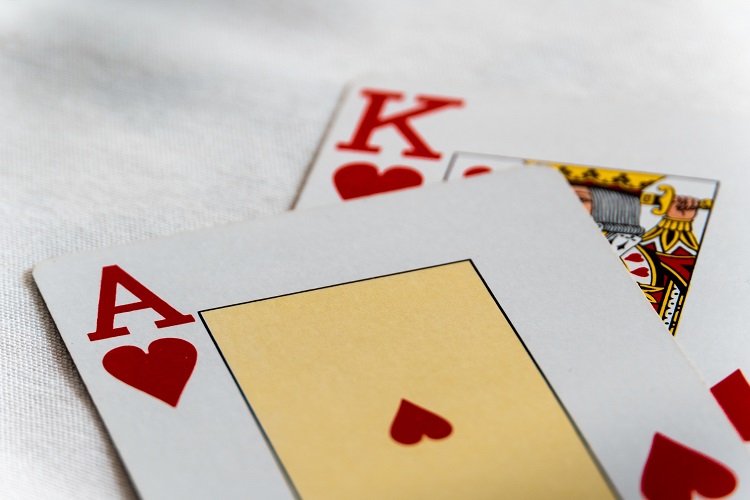
What Are The Best Blackjack Betting System?When the topic of casinos arises, many individuals instinctively think of games like blackjack. Over time, a vast number of people have engaged in various versions of this game, whether in traditional casinos, online platforms, or even at home.

The appeal of blackjack lies in its simplicity: surpass the dealer’s score without exceeding 21. Minimal equipment is required, and the potential for substantial winnings adds to its allure.

Beyond its straightforward gameplay, what draws many professional gamblers to blackjack is its unique quality among casino games. Unlike slots, where outcomes are determined solely by machine algorithms, blackjack allows players’ decisions—whether to hit, hold, split, double down, or take insurance—to significantly influence the game’s dynamics.

This article delves into various blackjack betting systems, analyzing their efficacy and the impact on a player’s edge across land-based, online, or live dealer blackjack.

Prior to exploring these strategies, it’s crucial to emphasize the importance of playing a “perfect game.” Following optimal decision-making in every instance, guided by hand charts, minimizes the house edge and enhances the likelihood of winning.

Positive and Negative Blackjack Betting Progression

Before delving into positive and negative betting strategies in blackjack, it’s essential to touch on flat betting—a method where the same wager is placed for each hand, regardless of wins or losses.

Positive and negative betting are both tied to the stake amount and when adjustments are made. Positive betting involves increasing stakes during winning streaks, while negative betting entails increasing stakes after losses. Both strategies have advantages and disadvantages.

Positive betting systems, like the Parlay and 1326 systems, aim to capitalize on winning runs by progressively increasing bets. The Parlay system involves leaving winnings on the table for each subsequent bet, potentially leading to aggressive betting. On the other hand, the 1326 system adjusts stakes based on the streak, spreading risk across multiple bets.

Negative betting systems, exemplified by the Martingale and Fibonacci strategies, increase bets following losses. The Martingale system suggests doubling the bet after each loss, assuming that a win will eventually occur, covering previous losses. The Fibonacci system, a positive progression for winning streaks, relies on a predetermined sequence to determine bet sizes.

Determining whether positive or negative betting is superior depends on factors like bankroll size and risk tolerance. Players with substantial bankrolls may find negative progression more appealing, while those with limited funds might opt for positive progression. Proper bankroll management and knowing when to walk away are crucial aspects of both strategies.

Card Counting in Blackjack – Learn the Knockout (KO) System

Card counting is often associated with advanced playing strategies in blackjack, requiring extensive practice to keep a running score of the deck. The Knockout (KO) System offers a simplified yet player-friendly approach to card counting.

In the KO System, cards are grouped into three categories: cards 2 through 9 have a score of +1, 8 and 9 have a score of 0, and 10, J, Q, K, and A have a score of -1. As cards are dealt, the score shifts, favoring either high or low-value cards.

The higher the score, the greater the concentration of high-value cards remaining in the deck. Adjusting bet sizes based on the score allows players to capitalize on favorable conditions. A betting pattern per count unit, such as betting 1 unit per positive number, provides a systematic approach.

Consideration of the number of decks in play is crucial, as the KO System is an unbalanced system with varying starting counts depending on the number of decks.

2-1-2 (Manhattan) Blackjack System

The 2-1-2 blackjack strategy, often referred to as the Manhattan Strategy, aims for low variance and leverages hot streaks. The system involves adjusting stakes in a sequence—units representing bets, starting with a $2 bet, followed by a $1 bet, and then returning to a $2 bet with subsequent increases.

The premise is to capitalize on wins by gradually increasing bets while still securing profits and reinvesting them. This “slow burner” strategy emphasizes longevity over quick wins and requires players to revert to the initial stake after a loss.

Flat Betting in Blackjack

Flat betting is a straightforward strategy where players consistently wager the same amount for each hand, irrespective of outcomes. This method relies on the assumption that over time, wins and losses will balance out. While flat betting lacks the excitement of more aggressive strategies, it provides stability and control over potential losses.

The effectiveness of flat betting hinges on playing a perfect strategy, as the low house edge in blackjack is contingent on optimal decision-making. By maintaining a consistent bet size, players can plan their sessions, knowing their potential winnings and losses.

Playing Multiple Hands in Blackjack

Playing multiple hands at a single blackjack table does not impact other players’ decisions or alter their strategies. Each player’s edge remains independent of others, and decisions made by one player do not affect the outcomes for others.

The decision to play multiple hands is often influenced by specific strategies, such as the Knockout System, where maximizing exposure during favorable conditions can lead to increased profits. However, for most other strategies, playing multiple hands tends to complicate the game, especially for beginners.

Choosing whether to use a single strategy for all hands or adopting different strategies for each hand depends on the player’s comfort level and experience. For example, combining a flat betting strategy with a positive or negative progression strategy for different hands could provide a balance between consistency and potential big wins.

Other Blackjack Betting Systems

In addition to the discussed systems, several other blackjack betting strategies exist. Brief overviews of a few more are provided below:

1-3-2-6 Betting System: Involves changing stakes over four consecutive bets, aiming to bank some money while allowing for potential big wins.

Oscar’s Grind Betting System: Focuses on grinding out profits by increasing stakes until in profit, then lowering bets to protect winnings.

Martingale Betting System: A common and straightforward system where players double their bets after each loss, assuming eventual wins will cover losses.

Fibonacci Betting System: A positive progression system that increases bet sizes based on the number of successful hands in a row.

Paroli Betting System: A positive progression system where players double their stakes after each win, incorporating a win limit for cashing out.

Labouchere Betting System: A more complex system offering flexibility for both positive and negative betting progressions, requiring players to create a predetermined sequence of numbers.

Parlay Betting System: An aggressive positive progression system where profits and previous stakes are used for the next bet after a win, reverting to the original stake after a loss.

D’Alembert Betting System: A flawed negative progression system where stakes are increased after losses and kept the same after wins, potentially facing table limits during extended losing streaks.

Each betting system has its advantages and drawbacks, and players should carefully consider factors like bankroll size, risk tolerance, and game dynamics when choosing a strategy. Understanding blackjack probabilities further aids in determining when to adjust bets based on favorable or unfavorable conditions.

Photo: Freepik

Top 5 Professional Gambling Card Games: A High-Stakes Odyssey

Image by macrovector on Freepikprofessional gambler card games freepikFor the seasoned professional gambler, the allure of card games lies in the perfect blend of strategy, skill, and a touch of luck. In the high-stakes world of professional gambling, certain card games have earned a reputation for being the playgrounds of the elite. Let’s explore the top five professional gambling card games that have stood the test of time.



1) Poker:

Undoubtedly, poker reigns supreme in the realm of professional gambling card games. From the smoky backrooms of clandestine casinos to the glitzy stages of international tournaments, poker has captured the hearts and wallets of gamblers worldwide. Texas Hold’em, Omaha, and Seven Card Stud are among the most popular variations, each demanding a unique set of skills, psychological acumen, and an uncanny ability to read opponents. The World Series of Poker (WSOP) stands as a testament to the global fascination with this card game, where professionals vie for coveted bracelets and astronomical cash prizes.

2) Blackjack:

Known as “21” in many circles, blackjack is a professional gambler’s classic choice. The game’s simplicity, combined with strategic nuances, makes it a favorite for those who thrive on skill-based challenges. Professional blackjack players often employ card counting techniques, mastering the art of predicting the deck’s composition to gain a statistical advantage. The tension at the blackjack table, where players face off against the dealer, has made it a timeless favorite in both casinos and the professional gambling circuit.

3) Baccarat:

Favored by James Bond himself, baccarat exudes an aura of sophistication and elegance. This card game, with its roots in European aristocracy, has found its way into the repertoire of professional gamblers. While the game is simple – bet on the player, banker, or a tie – its subtleties and the opportunity for high-stakes bets make it a favorite among those seeking refined excitement. The unpredictability of baccarat and the adrenaline rush associated with large bets have elevated it to the upper echelons of professional gambling.

4) Bridge:

Often overlooked in the glitz and glamour of traditional casino games, bridge is a card game that commands respect in professional gambling circles. A trick-taking game played with four players in two partnerships, bridge demands not only skill in playing the cards but also a high level of teamwork and communication. The World Bridge Federation oversees international competitions where professional bridge players showcase their strategic prowess and card-playing finesse.

5) Gin Rummy:

While poker and blackjack take center stage, gin rummy quietly weaves its way into the fabric of professional gambling. A two-player game that involves forming sets and runs of cards, gin rummy is a skill-based card game that requires a keen eye for patterns and a strategic mind. Professional players often engage in high-stakes gin rummy matches, where the simplicity of the game belies the intense mental acuity required for success.

Conclusion:

In the diverse landscape of professional gambling, these top five card games have earned their stripes as the chosen battlegrounds for the most skilled and daring gamblers. Whether it’s the psychological warfare of poker, the strategic finesse of blackjack, the sophistication of baccarat, the teamwork in bridge, or the subtle complexity of gin rummy, each of these card games offers a unique experience for those seeking to conquer the thrilling world of professional gambling.

Photo: Freepik

Mastering the Art of Subtle Card Counting in Blackjack: 5 Clever Techniques

Mastering the Art of Subtle Card Counting in Blackjack: 5 Clever Techniques

Image by YuliiaKa on Freepik

Card counting is a skill that can significantly enhance your chances of success at the blackjack table. However, casinos frown upon this technique and employ various measures to detect and discourage card counters. To maintain the element of surprise, here are five ways to make card counting at blackjack less obvious.

  1. Vary Your Betting Patterns:

One of the most common signs of card counting is consistent and large bet variations. To avoid drawing attention, mix up your betting patterns. Start with small bets, and gradually increase or decrease them. Additionally, sporadically placing larger bets without an apparent pattern can help camouflage your card counting strategy. By doing so, you create a more natural and unpredictable betting profile, making it harder for casino personnel to pinpoint your card counting activities.

  1. Use Team Play Tactics:

Solo card counters may find it challenging to remain undetected for extended periods. To counter this, employ team play tactics. Work with a group of skilled players who can share the responsibility of counting cards and making strategic bets. Each team member can take turns playing, making it more difficult for casino surveillance to link consistent winning patterns to a single individual. Effective communication and discreet signals among team members are crucial to the success of this approach.

  1. Master the Art of Cover Play:

To divert attention from your card counting activities, engage in cover play. This involves making strategic moves that mimic the behavior of an average gambler. For instance, deliberately making suboptimal decisions, like standing on a low hand or hitting on a favorable one, can create a façade of unpredictability. By occasionally deviating from the optimal strategy, you throw off casino personnel who may be monitoring your gameplay for signs of card counting.

  1. Utilize Disguised Card Counting Systems:

Traditional card counting methods involve keeping a running count of high and low-value cards. However, more advanced and less detectable systems exist. Utilize methods like the “Wonging” technique, where you only join a game when the count is favorable, or the “Zen Count,” which assigns different values to cards than the standard Hi-Lo system. These alternative systems can be equally effective while reducing the predictability associated with traditional card counting methods, making it harder for casinos to catch on.

  1. Be Mindful of Surveillance Systems:

Modern casinos employ sophisticated surveillance systems to monitor every aspect of their gaming floors. To avoid detection, be aware of the cameras and personnel around you. Change your seating position, take breaks, and move around the casino to disrupt any consistent behavior that might raise suspicion. Additionally, refrain from exhibiting overly analytical behaviors, such as frequently checking your chip count or exhibiting excessive focus on the game, as these can trigger alarms in casino surveillance systems.

Conclusion:

While card counting at blackjack requires skill and practice, implementing these techniques can significantly enhance your chances of success while minimizing the risk of detection. Remember, subtlety is key when engaging in any form of advantage play, and by incorporating these strategies into your gameplay, you can enjoy the thrill of the game while keeping the odds in your favor.

Photo: Freepik

Blackjack Techniques and Success Tips

Blackjack Techniques and Success TipsImage by starline on Freepik

Blackjack Techniques & Success

A well-liked and exciting casino game is blackjack. Even though it’s a game of chance, you still need strategy and talent to win. If you want to improve your odds of winning at blackjack, there are a few strategies that can assist you.

By perfecting your blackjack strategy, you may increase your odds of winning big on every hand. Two crucial suggestions for success in the game are sticking to fundamental strategies like hitting or standing when appropriate and taking advantage of insurance bets when they make sense. Knowing when to split pairs or double down is another crucial tactic for players looking to increase their win percentage at the table. Skilled players can outplay the house by keeping track of the cards that have been dealt throughout the game.

Basic Blackjack Rules

A fascinating and enjoyable method to test your luck at a casino is to play blackjack, one of the most played card games in the world. To improve your odds of winning at blackjack, you must learn the game’s basic rules and methods. Learn the fundamentals of this well-known card game before you start playing.

In blackjack, the objective is simple: beat the dealer’s hand without going over 21. One card is dealt face down to the dealer’s hand and remains hidden until all participants have had a chance to act. Everybody gets two face-up cards. Regardless of whether all 10-point cards (10, Jack, Queen, and King) are worth their par value, Aces can be tallied as either 1 or 11, depending on whatever gives you the highest total without exceeding 21.

Card Counting

Card counting is a common strategy used by blackjack players to increase their edge over the house. Getting a better understanding of the cards still in the deck requires keeping track of the cards given. This might give the individual an edge over the house and raise the amount of money they could win at blackjack.

Although it requires skill and practice to master, card counting is legal and doesn’t require any special tools or cunning. The goal of card counters is to foretell which cards will be dealt next, enabling them to make better betting decisions on when to stay or hit in particular circumstances. Players must keep track of which cards are still in play at the end of each round to properly adjust their strategies. By using sound card counting strategies, players can increase their odds of winning at blackjack and cashing in on smart wagers.

Conclusion

One of the most crucial elements of winning at blackjack is playing intelligently. While luck certainly plays a role, mastering the game’s rules and methods will enhance your odds of winning significantly. Players that put in the time to learn and implement these strategies will see their victory rate rise over time.

The Top 5 Sports Favored by Professional Gamblers

The Top 5 Sports Favored by Professional GamblersIntroduction

Professional gambling is a unique pursuit that requires a blend of skill, knowledge, and strategy. While gamblers can wager on various sports, certain sports tend to attract the attention of professionals more than others. In this article, we’ll explore the top 5 sports favored by professional gamblers and delve into the reasons why these sports are particularly enticing for those seeking an edge in the betting world.

Horse Racing

Horse racing has a storied history in the world of gambling, and it remains a favorite among professional bettors. Several factors make horse racing an attractive choice:

Data Availability: Extensive data on past performances, horse form, jockey statistics, and track conditions provide a wealth of information for analysis.

Variability of Bets: Horse racing offers a diverse range of bets, from simple win/place/show bets to exotic wagers like exactas and trifectas, allowing professionals to craft complex strategies.

Edge in Information: Professional gamblers often have access to insider information, further increasing their chances of making informed bets.

Football (Soccer)

Football, or soccer, is the world’s most popular sport, and its massive following attracts professional gamblers for several reasons:

Wide Betting Markets: Football offers a vast array of betting markets, including match outcomes, goalscorers, corners, and more, allowing professionals to diversify their strategies.

Global Accessibility: The sport’s global nature means that there are matches happening around the world every day, providing ample opportunities for betting.

Statistical Analysis: Football’s rich statistical data, including player and team performance metrics, enables professionals to employ data-driven strategies.

American Football (NFL)

American football, particularly the National Football League (NFL), is a favorite of professional gamblers for several compelling reasons:

Limited Season: The NFL has a relatively short regular season, allowing professionals to focus their efforts on a smaller number of games, which can lead to more in-depth analysis.

Betting Markets: The NFL offers a wide range of betting markets, including point spreads, totals, and player-specific props, providing diverse opportunities.

In-Game Betting: The stop-and-start nature of American football allows for extensive in-game betting options, which can be advantageous for professionals.

Basketball (NBA)

Basketball, specifically the National Basketball Association (NBA), attracts professional gamblers due to its dynamic nature and numerous betting opportunities:

High Scoring: Basketball’s high-scoring games create a fast-paced and exciting environment for bettors.

Prop Bets: The NBA offers a variety of prop bets related to individual player performance, making it appealing for professionals who can specialize in player analysis.

Injury Impact: Injuries can significantly affect the outcome of NBA games, and professionals skilled in injury analysis can gain an edge.

Tennis

Tennis, although an individual sport, has garnered a strong following among professional gamblers for the following reasons:

Player-Specific Analysis: Tennis allows professionals to focus on individual player performance, injury status, and playing style.

In-Play Betting: Live betting during tennis matches is popular among professionals, as they can quickly react to changing circumstances on the court.

International Circuit: Tennis events are held globally throughout the year, providing consistent betting opportunities.

Conclusion

Professional gamblers gravitate toward certain sports due to a combination of factors such as data availability, betting markets, and the potential for gaining an informational edge. Horse racing, football (soccer), American football (NFL), basketball (NBA), and tennis are among the top sports favored by professionals for their unique characteristics and opportunities for strategic advantage. However, it’s important to note that success in professional gambling requires a deep understanding of the chosen sport, disciplined bankroll management, and a commitment to continuous learning and research.

Photo: Pixabay (free)